

María M. Coronel, Ph.D.
Principal Investigator
mcoronel@umich.eduDr. Coronel is a Biological scholar and Assistant Professor of Biomedical Engineering at the University of Michigan. Her lab is centered on engineering biomaterials for perturbing and investigating immunological responses. Dr. Coronel received her BS degree in Biomedical Engineering from the University of Miami, and her Ph.D. in Biomedical Engineering from the University of Florida. She also obtained a certificate in Clinical Translational Research from Emory University Public Health School. She finished her postdoctoral fellowship at the Georgia Institute of Technology, where she received funding from the Juvenile Diabetes Research Foundation, NIH T31, and Georgia CTSA to support her training. CV.
Post-Doctoral Fellows
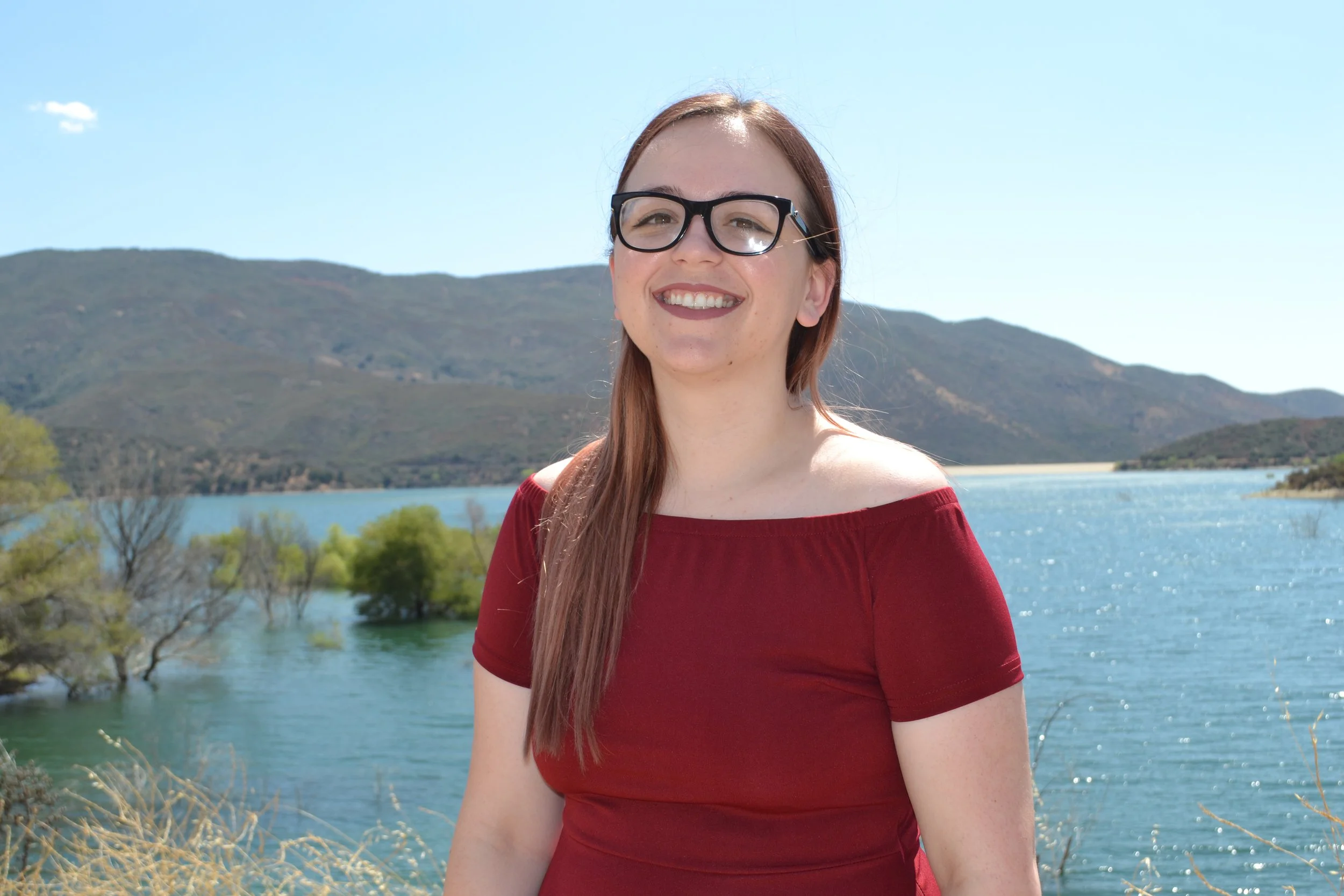
Nicolle Martin, Ph.D.
nicollek@umich.eduNicolle Martin is a Postdoctoral Fellow in the Unity Lab. She completed her PhD in Immunology at the University of California, Davis, where she worked under Dr. William Ridgway on the development of immunotherapies for Type 1 Diabetes. In particular, she studied the role, structurally and mechanistically, by which an anti-TLR4 antibody was able to reverse acute-onset disease. She completed her undergraduate degree in Cell and Molecular Biology at California State University, Northridge while working in Dr. Martin Martin's lab at the University of California, Los Angeles. There, she helped elucidate the role of the mechanosensitive ion channel Piezo1 in gut motility by employing temperature-sensitive hydrogels to induce stretch.
Her work in the Coronel Lab focuses on the effect of multivalency of checkpoint inhibitor ligands on modulating the immune response, utilizing the SpyCatcher/SpyTag protein conjugation system. Her work has implications for the development of a spectrum of effects from the multivalency of a variety of checkpoint inhibitor pathways, which could be utilized in the treatment of a myriad of autoimmune conditions. When she is not in the lab, she enjoys wine tasting, exploring new places, escape rooms, and playing video games. If she was an immune cell, she would be a macrophage because she enjoys trying new foods, and keeping everything nice and tidy.
Maedeh Rahimnejad, Ph.D.
rmaedeh@umich.eduMaedeh Rahimnejad is a Postdoctoral Research Fellow in the Unity Lab. Before joining the University of Michigan, Maedeh was a postdoctoral fellow in the Bottino Lab at the University of Michigan School of Dentistry, where she worked on bioprinted biomaterials and vascularized tissue-engineered constructs. Her research interests broadly include biomaterials, 3D bioprinting, tissue engineering, organ-on-chip systems, and the development of clinically relevant engineered tissue models.
Her work in the Coronel Lab focuses on developing biomaterial platforms to improve vascularization and cell survival in engineered tissues and cell transplantation. Her current work combines oxygen-sensing nanoparticles, microporous hydrogel scaffolds, microvascular engineering, and real-time oxygen mapping to investigate how the local oxygen environment influences the design and function of cell grafts. Her research is particularly focused on developing strategies to improve the survival of insulin-producing cell grafts for diabetes treatment. In collaboration with Dr. Brigid Gregg, she also engineers biomaterials for mammary organoid formation and develops stimuli-responsive three-dimensional biomaterial models that mimic mammary tissue and lactation patterns, aiming to create more physiologically relevant platforms for studying tissue development, function, and disease. In her free time, she enjoys reading novels, painting, traveling, and spending time with her family.
Graduate Students

John-Paul Pham
Cellular Biotechnology Training Program (CBTP) T32 Trainee
jppham@umich.eduJohn-Paul Pham is a 5th year Biomedical Engineering PhD candidate from Menifee, CA. He completed his undergraduate degree in Bioengineering (Biotechnology) at the University of California San Diego, where he worked under Dr. Shengqiang Cai and Dr. Karen Christman. In Cai Lab, he developed and mechanically characterized composite biomaterials for bone grafting applications. His work in Christman Lab entailed in-vivo validation of a cardiac infarct-homing protein-like polymer (PLP) nanoparticle and investigating regenerative decellularized myocardial matrix hydrogels using single-cell transcriptomics.
At Coronel Lab, John-Paul is engineering microfluidics-based platforms for making polymeric nanoparticles that can be functionalized with immunomodulatory ligands. His work would enable minimally invasive, targeted strategies for inducing tolerance of allogeneic organ transplants. John-Paul is also a current trainee of UM’s Cellular Biotechnology Training Program, a NIH T32 training grant. When he’s not looking for the stepstool in lab, John-Paul enjoys hiking, blasting music through his earbuds so other lab members have to throw things at him to get his attention, and yes, graphic design is his passion. If he was an immune cell, he would be a neutrophil because he gets into lab early, accidentally breaks things, and leaves the crime scene for adaptive immunity (Dr. Coronel) to fix later.

Nicole Racca
UM BME Derek Tat Award Recipient
nmracca@umich.eduNicole M. Racca is a 5th year Biomedical Engineering PhD candidate originally from Warwick, Rhode Island. She completed her undergraduate degree in Biomedical Engineering at Worcester Polytechnic Institute where she worked in Dr. George Pins’s laboratory. Her undergraduate research was focused on developing a novel technique to make micropatterned fibrin scaffolding for volumetric muscle loss repair. She was a participant in the NSF Bioactive Interfaces and Devices REU at the University of Kentucky in the summer of 2021 working of biotin/streptavidin micropatterning of surfaces for cellular adherence.
Nicole’s work in the Coronel Lab focuses on developing a dynamic polymeric linker that can be functionalized with immunomodulatory ligands to be attached and delivered via a micron-sized polymeric particle (microgel) platform. Her work would enable the use of a minimally invasive strategy for locally inducing tolerance in allogeneic islet transplants. When she is not zoned in using the biosafety cabinet, you can often find Nicole at your local Planet Fitness moving heavy circles, out at a concert in Detroit, watching Hockey, or at her favorite happy hour at Sidetracks in Ypsilanti. If she was an immune cell, Nicole would be a T helper cell because she often finds herself being a helping hand both in lab and in her daily life.
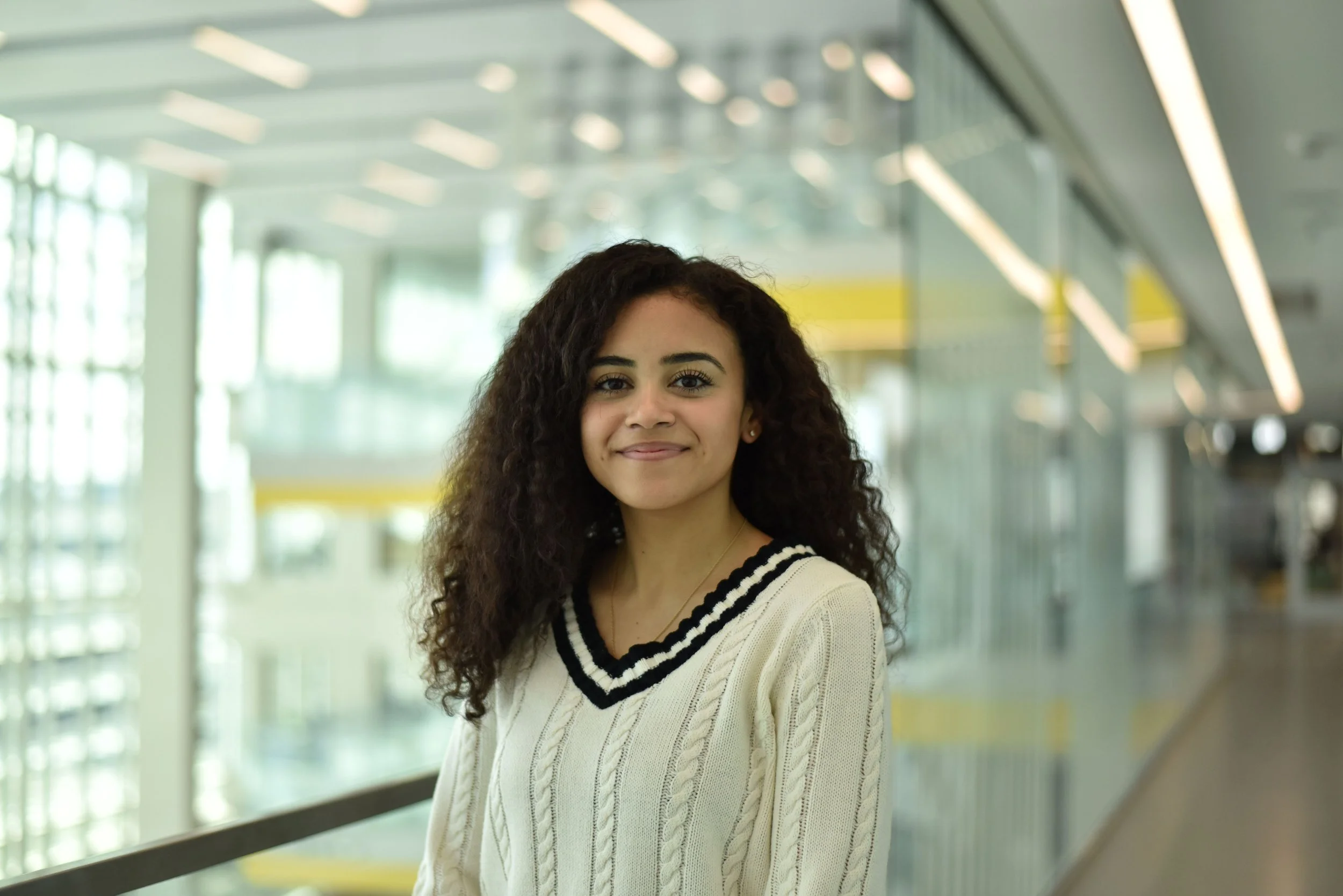
Kayle Riley
UM Rackham Merit Fellow
kayleril@umich.eduKayle Riley is a 5th year Biomedical Engineering PhD candidate born in Kansas City, MO, but raised for half of her life in Indiana and the other half in Michigan (and two years in Mexico!). She completed her undergraduate degree in Biomedical Engineering at Trine University in Angola, IN. After graduation, Kayle participated in an NIH funded Post-Baccalaureate Research Education Program (PREP) at the University of Cincinnati, where she worked with Dr. Jim Wells. During her time there she learned to culture iPSCs and reprogram PBMCs into iPSCs. She spent a great deal of time differentiating human intestinal organoids and insulin producing beta-like cells to use for her experiments. Despite being bit by a mouse during her first animal handling session and being traumatized for a while, she enjoyed her post-baccalaureate program so much so that she decided to do a PhD in a lab that primarily works with mice!
Kayle’s work in the Coronel Lab focuses on developing hydrogel-immobilized bioluminescent cytokine sensing antibodies as a non-invasive monitoring tool for allograft rejections and cytokine release syndrome. Her work would enable continuous and longitudinal monitoring of cytokine levels to inform incoming inflammatory responses to immunotherapies or allograft transplants. In her free time, if she isn’t reorganizing the lab, Kayle likes to watch K-dramas and be a couch potato. If she is feeling adventurous, she likes to hang out with friends and go to raves because EDM music is life (even techno...sometimes). If Kayle was an immune cell, she would be a plasma B cell because she is always the last to arrive in lab.
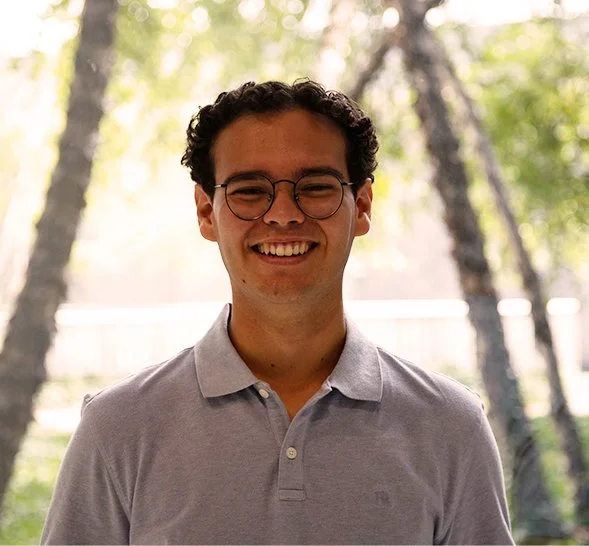
Jean-Pierre Pierantoni
GEM Fellow/UofM CPOD Organogenesis NIH T32 Trainee
jppieran@umich.eduJean-Pierre Pierantoni is a 4th year Biomedical Engineering PhD candidate from Tampa, FL. He completed his undergraduate degree in Biomedical Engineering at the University of Florida where he worked in Dr. Benjamin Keselowsky’s lab. There, his research focused on developing a novel glycosylated synthetic protein for modulating immune cell responses in the liver. Jean-Pierre was a participant in the NSF SURE REU program at the University of North Carolina at Chapel Hill during the summer of 2022 where he worked on nanoparticle platforms for treating thrombosis. As a GEM fellowship recipient, he completed an internship at Genentech Inc. in South San Francisco, CA during the summer of 2023 where he worked in a lab focusing on the development of antibody drug conjugates. In 2025, Jean-Pierre began his appointment as a trainee in the NIH Predoctoral T32 training program in Organogenesis through the Michigan Center for Plasticity and Organ Design
Jean-Pierre’s work in the Coronel Lab focuses on developing microporous annealed particle hydrogels with tethered vascular endothelial growth factor (VEGF) to improve islet transplant outcomes. By creating this platform, we are able to enhance engraftment efficiency, while also leveraging the novel immunomodulatory properties of VEGF to mitigate adverse immune responses. In his free time, Jean-Pierre enjoys cooking, playing soccer, going to new places, and also attending concerts. If he was an immune cell, he would be a Memory B Cell because he enjoys learning new knowledge and helping others remember things if they forget.
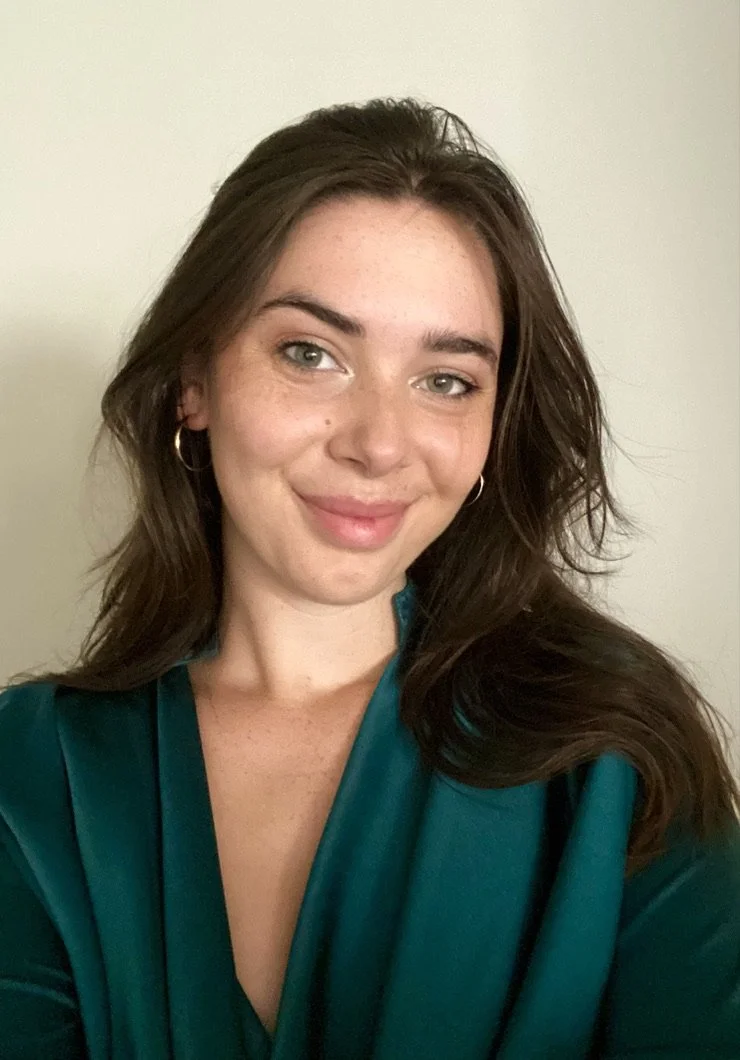
Dina Dragoljic
ddragolj@umich.eduDina Dragoljic is a 1st year Biomedical Engineering PhD student from Rome, Italy. She completed her undergraduate degree in Biomedical Engineering at Florida Institute of Technology (2017). There, she worked in Dr. Venkat Keshav Chivukula's Multiscale Cardiovascular Fluids Laboratory developing a lumped parameter model of the cardiovascular system to optimize LVAD rotor speeds for stage D heart failure patients. She then completed her Master of Science in Biomedical Engineering at the University of Michigan (2023), while working full-time as an Associate Test Engineer at Terumo Cardiovascular on the FDA submission for their CDI OneView blood parameter monitoring device. Afterward, she stayed at the University of Michigan as a Research Lab Specialist in Dr. Andrew Putnam's lab, managing the lab and researching microvessel regeneration in bulk hydrogels while leading an industry biomaterials testing contract.
Dina's work in the Coronel Lab focuses on fabricating a cytokine-sensing biomaterial platform designed to detect and report on immune signals in the wound microenvironment in real time. By capturing this information as healing unfolds, her research aims to help identify early on whether a wound is on track to heal normally or progressing toward a chronic, non-healing state. Her work would enable early diagnosis of wound chronicity and help clinicians time interventions and trigger targeted treatment sooner. When she's not in lab, Dina can be found reading and journaling, picking up whatever new craft has caught her eye, or out hiking and camping. If she were an immune cell, Dina would be a dendritic cell because she samples everything, from new crafts and hobbies to every assay in the lab, and presents her findings to whoever will listen.
Lab Staff & Undergraduate Students
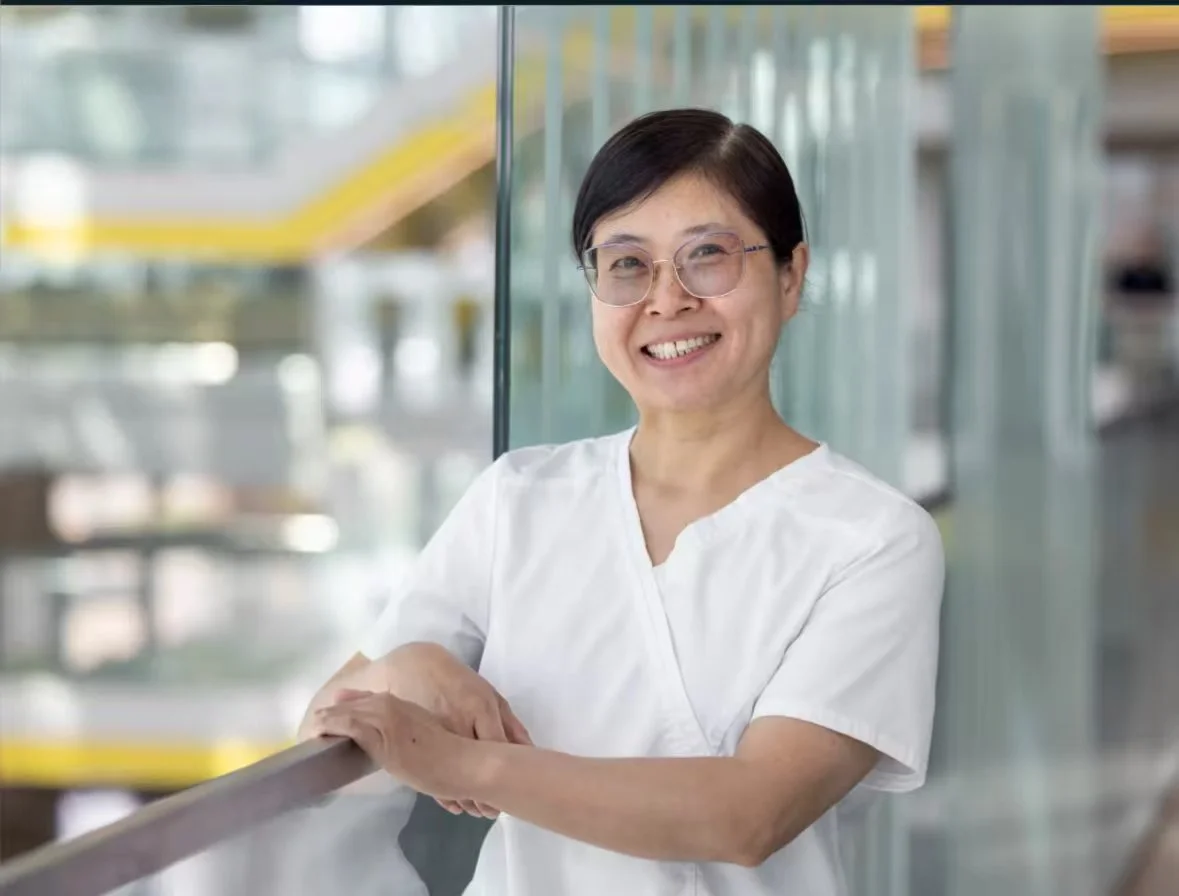
Haijing Sun, Ph.D.
Lab Manager
haijings@umich.eduHaijing Sun received her PhD in China before moving to the US, and her 20-year career in biology research, built on a strong molecular biology background, has been driven by a passion for investigating the mechanisms of life science. Most recently, she worked in Dr. Dave Bridges lab before joining the Coronel Lab in June 2026, where she takes care of the whole lab and keeps day-to-day research running smoothly. In her free time, she enjoys playing with her dogs and watching forensic files.

Jaselyn Porter
Undergraduate Student (Senior)
jaselynp@umich.eduLab Mentor: Kayle
Current Project: Helping fabricate mucin MAP gels for use in an implantable biosensor for early detection of transplant rejection.
Hobbies: In my free time, I enjoy traveling, reading, working out, and singing.
If I were an immune cell, I’d be a: Dendritic cell because I love to learn new information about the world (by traveling and reading) and share what I learn with others, similar to how a dendritic cell samples and learns about their environment and presents samples to T-cells.

Nandita Boddu
Undergraduate Student (Senior)
nboddu@umich.eduLab Mentor: Kayle
Current Project: Helping fabricate mucin MAP gels for use in an implantable biosensor for early detection of transplant rejection.
Hobbies: In my free time, I enjoy trying new foods and traveling.
If I were an immune cell, I’d be a: Macrophage become I love to stay organized and clean up!
Lab Alumni
Masters Students
Anikaith Yerneni
Qihan Xu
Brandon Brozich
Lab Staff
Diana Bernal
Undergraduate & Visiting Students
Alexander Dontu
Annie Li
Yash Sakhalkar
Eden Merritt
Jinhua (Davina) Sun
Emily Dobao
Allison Nold
Layla Summers
Kasimir Borgol
Leah Phillips
Chloe Filice
Ben Pomianek